

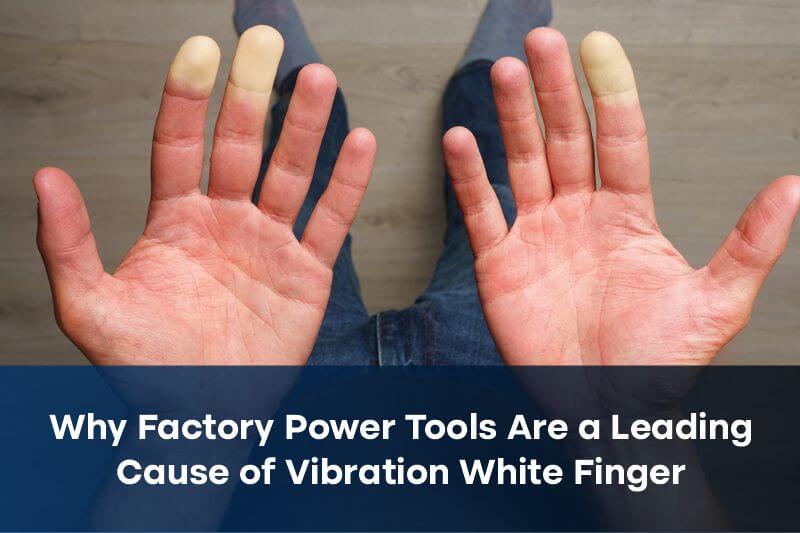
In busy factories across the UK, power tools are part of everyday working life. From grinders and drills to sanders and impact wrenches, these tools help workers meet targets and keep production moving. But there is a serious health risk tied to long-term use that many employees only discover when the damage is already done: Vibration White Finger.
Vibration White Finger, often linked to Hand-Arm Vibration Syndrome (HAVS), is a painful and sometimes permanent condition. It can affect a person’s ability to work, carry out daily tasks, and enjoy life outside the factory floor. This article explains why factory power tools are a leading cause of Vibration White Finger, how the condition develops, what employers should be doing to prevent it, and what legal options are available for affected workers. Drawing on the experience of Jiva Solicitors, trusted Vibration White Finger Claims Solicitors in Manchester, it also highlights when and how to seek professional legal support.
What Is Vibration White Finger and Why Does It Matter?
Vibration White Finger is a medical condition caused by prolonged exposure to hand-arm vibration. It affects the blood vessels, nerves, and joints in the hands and fingers. Over time, vibration damages the circulation, leading to fingers turning white, numb, and painful, especially in cold conditions.
The condition matters because it is not just uncomfortable. In many cases, it is irreversible. Workers may struggle with grip strength, fine motor skills, and sensitivity, making both work and everyday tasks difficult. Simple actions such as buttoning a shirt, holding a cup, or using keys can become a challenge.
From a legal point of view, Vibration White Finger is recognised as an occupational disease. That means workers who develop it due to unsafe working conditions or poor employer practices may be entitled to compensation. This is where experienced Vibration White Finger Claims Solicitors play a vital role.
Why Factory Power Tools Create a High Risk of Vibration White Finger
Factory environments are particularly associated with Vibration White Finger because of the nature of the tools used and the way work is organised. Several factors combine to increase the risk.
1. Continuous and Repetitive Tool Use
Many factory roles require workers to use vibrating tools for long periods each day. Unlike occasional DIY use, factory work often involves repetitive tasks carried out shift after shift. The cumulative effect of vibration exposure over months or years significantly increases the likelihood of injury.
2. High-Vibration Industrial Equipment
Factory-grade power tools often generate stronger vibrations than tools designed for light or domestic use. Equipment such as angle grinders, pneumatic drills, polishers, and riveting tools can expose hands and arms to intense vibration levels, especially if the tools are older or poorly maintained.
3. Production Pressure and Limited Breaks
In fast-paced factory settings, production targets can limit rest breaks. Without adequate recovery time, blood vessels and nerves do not have a chance to recover, accelerating the development of symptoms. Even short breaks can make a difference, but they are not always built into factory schedules.
How Vibration from Power Tools Damages Hands Over Time
Understanding how vibration affects the body helps explain why factory power tools are such a common cause of Vibration White Finger.
1. Damage to Blood Vessels
Repeated vibration causes the small blood vessels in the fingers to narrow and spasm. Over time, this restricts blood flow, leading to the classic whitening of fingers when exposed to cold. These vascular changes can become permanent.
2. Nerve Injury and Loss of Sensation
Vibration also damages nerves, reducing sensitivity to touch, temperature, and pain. Workers may notice tingling, numbness, or a pins-and-needles sensation. In advanced cases, feeling may be permanently reduced.
3. Joint and Muscle Impact
Long-term vibration exposure can contribute to joint stiffness, muscle weakness, and reduced grip strength. This makes tool handling more difficult, increasing the risk of accidents and further injury.
Which Factory Tools Are Most Commonly Linked to Vibration White Finger?
Certain tools are more frequently associated with Vibration White Finger due to their vibration levels and typical usage patterns.
a) Handheld Grinders and Sanders
These tools are widely used in metalwork, fabrication, and finishing processes. They often operate at high speeds and are used for extended periods, making them a common cause of vibration-related injuries.
b) Drills and Impact Wrenches
Pneumatic and electric drills, especially impact models, produce sharp bursts of vibration. Regular use in assembly or maintenance roles can significantly increase exposure.
c) Riveting and Chipping Tools
Used in heavy manufacturing and repair work, these tools generate intense vibration that is directly transmitted to the hands and arms.
Workers who regularly use any of these tools should be considered at higher risk, particularly if proper safety measures are not in place.
Employer Responsibilities and Common Failures in Factory Settings
UK health and safety law places clear duties on employers to protect workers from vibration-related risks. Unfortunately, many cases handled by Vibration White Finger Claims Solicitors reveal repeated failures.
1. Lack of Risk Assessments
Employers are required to assess vibration exposure and identify high-risk roles. In many factories, these assessments are missing, outdated, or treated as a tick-box exercise.
2. Inadequate Training and Awareness
Workers are often not told about the risks of vibration exposure or how to recognise early symptoms. Without this knowledge, symptoms may be ignored until the condition becomes severe.
3. Poor Tool Maintenance
Worn or poorly maintained tools often vibrate more than necessary. Regular maintenance and replacement can significantly reduce risk, yet this is sometimes overlooked to save costs.
4. Failure to Rotate Tasks
Task rotation can limit individual exposure, but in production-driven environments, workers may be assigned to the same vibration-heavy tasks every day.
When these failures occur, affected workers may have strong grounds for a legal claim with the support of specialist Vibration White Finger Claims Solicitors.
Early Warning Signs Factory Workers Should Never Ignore
One of the most important messages for factory workers is to take early symptoms seriously. Acting early can slow progression and strengthen any future claim.
Common warning signs include:
- Fingers turning white or pale in cold conditions
- Tingling or numbness in fingers and hands
- Loss of grip strength or coordination
- Pain or throbbing in the hands after tool use
Reporting symptoms to a supervisor and seeking medical advice creates an important record. It also puts the employer on notice, which can be crucial if the condition worsens.
How Vibration White Finger Claims Work in Practice
For many workers, the idea of making a claim feels daunting. Understanding the process helps remove uncertainty.
1. Establishing Employer Negligence
A successful claim usually involves showing that the employer failed to manage vibration risks properly. This might include a lack of risk assessments, insufficient training, or failure to limit exposure.
2. Medical Evidence
Medical reports play a key role in confirming the diagnosis and severity of Vibration White Finger. These reports also help assess how the condition affects work and daily life.
3. Compensation Outcomes
Compensation may cover pain and suffering, loss of earnings, reduced future work capacity, and treatment costs. Experienced Vibration White Finger Claims Solicitors ensure that all relevant losses are considered.
Jiva Solicitors, recognised as leading Vibration White Finger Claims Solicitors in Manchester, guide clients through every stage with clear advice and practical support.
Conclusion:
Factory power tools play a central role in modern manufacturing, but they also pose serious health risks when vibration is not properly controlled. Vibration White Finger can develop gradually, often going unnoticed until the damage is significant. Understanding the causes, recognising early symptoms, and knowing employer responsibilities are key steps in protecting workers’ health.
For those already affected, legal support can make a real difference. Jiva Solicitors has built a strong reputation for handling complex industrial injury cases and supporting workers through the claims process with clarity and care. As experienced Vibration White Finger Claims Solicitors, the firm is well placed to assess claims and pursue fair compensation.