

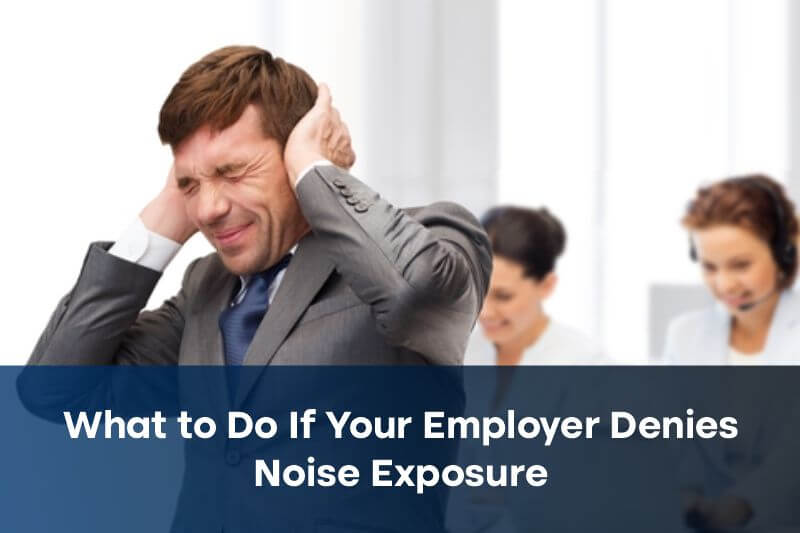
Being told that workplace noise “wasn’t excessive” can feel frustrating, especially when hearing problems are already affecting daily life. Many employees only realise the impact of prolonged noise exposure years later, often after leaving the job entirely. When an employer denies responsibility, it does not mean the claim ends there.
This guide explains what to do if an employer denies noise exposure, how evidence can still be gathered, and when legal support becomes essential. It also outlines how experienced NIHL Claims Solicitors can help employees move forward with confidence, even when employers dispute the facts.
Understanding Noise-Induced Hearing Loss and Employer Duties
Noise-Induced Hearing Loss, often referred to as NIHL, is caused by prolonged exposure to loud noise at work. It commonly affects people in manufacturing, construction, engineering, transport, and similar industries where heavy machinery or tools are used daily.
Under UK health and safety law, employers have a legal duty to protect workers from harmful noise. This includes:
- Assessing workplace noise levels
- Providing suitable hearing protection
- Offering regular hearing tests where required
- Reducing exposure where possible
If an employer failed to take these steps, they may still be liable even if they deny that noise levels were dangerous at the time.
Why Employers Often Deny Noise Exposure Claims
Employer denial is common in NIHL cases and usually happens for one or more of the following reasons:
- Records are missing or incomplete
- The exposure happened many years ago
- The employer no longer operates
- Noise assessments were never properly carried out
- The company wants to avoid compensation costs
In some cases, employers rely on outdated noise limits or claim that hearing protection was provided, even if it was unsuitable or rarely enforced. A denial does not automatically mean the claim lacks merit.
How to Prove Noise Exposure Without Employer Support
1. Using Job History and Industry Standards
Even when an employer denies exposure, a detailed employment history can provide strong evidence. Job titles, machinery used, shift patterns, and work environments can all help demonstrate likely noise levels.
For example, roles involving grinders, presses, drills, compressors, or heavy vehicles are well known for high noise output. Industry noise data is often used to estimate exposure when direct measurements are unavailable.
2. Witness Statements and Colleague Accounts
Former colleagues can be valuable witnesses. Statements confirming daily noise levels, lack of hearing protection, or poor safety practices can significantly strengthen a claim. Even informal recollections can help establish a pattern of exposure.
3. Medical Evidence and Hearing Tests
An audiology report is central to any NIHL claim. Hearing tests can identify the distinctive pattern associated with noise-induced damage, helping link hearing loss to workplace exposure rather than age or illness.
Experienced NIHL Claims Solicitors work closely with medical professionals to ensure reports clearly support the claim.
What to Do If the Employer No Longer Exists
Many NIHL claims involve companies that closed years ago. This does not automatically prevent a claim.
In such cases, compensation may still be available through employer liability insurers. Solicitors can trace historical insurance policies using employment records and industry databases. This process is common and well established in noise exposure claims.
Jiva Solicitors regularly assists clients whose employers have ceased trading, ensuring their right to claim is not lost due to time or business closure.
Time Limits and Why Acting Early Matters
NIHL claims are subject to a legal time limit, usually three years from the date the hearing loss was diagnosed or when the individual first became aware that work noise caused the condition.
Many people delay action because symptoms develop gradually. However, once awareness exists, the clock starts ticking. Seeking advice early allows solicitors to gather evidence, arrange medical assessments, and protect the claim before deadlines expire.
How NIHL Claims Solicitors Strengthen Your Case
Specialist legal support can make a significant difference when an employer denies exposure. Skilled NIHL Claims Solicitors know how to:
- Reconstruct historical noise exposure
- Challenge weak employer arguments
- Obtain independent medical evidence
- Identify responsible insurers
- Negotiate fair compensation
Jiva Solicitors focuses exclusively on protecting the rights of individuals affected by workplace negligence. Their experience with hearing loss claims means clients receive clear advice without unnecessary legal jargon.
What Compensation May Cover
A successful NIHL claim may include compensation for:
- Permanent hearing loss
- Tinnitus symptoms
- Hearing aids and ongoing care
- Impact on quality of life
- Loss of enjoyment of hobbies or social activities
Each case is assessed individually, taking into account medical evidence, severity, and the long-term impact on daily living.
Common Myths About Denied Noise Exposure Claims
“If the employer denies it, the claim fails”
This is false. Many successful claims proceed despite employer denial.
“Hearing protection means no liability”
Providing protection does not remove responsibility if it was unsuitable, poorly maintained, or not enforced.
“It’s too late to claim”
Late awareness is common in NIHL cases, and time limits often start much later than people expect.
Why Choose Jiva Solicitors for NIHL Claims
Jiva Solicitors is recognised as one of the leading noise-induced hearing loss claims solicitors in Manchester. The firm combines legal expertise with a practical, client-focused approach.
Clients benefit from:
- Clear, honest advice
- Strong experience handling denied exposure cases
- No win, no fee options
- Support from start to finish
Their solicitors understand how stressful hearing loss can be and work to make the legal process straightforward and supportive.
Conclusion:
An employer denying noise exposure does not mean the claim ends. With the right evidence, medical support, and legal guidance, many employees successfully secure compensation for hearing damage caused at work.
If hearing loss or tinnitus has been linked to previous employment, speaking to experienced NIHL Claims Solicitors can clarify the next steps and protect legal rights.
For professional advice and support, Jiva Solicitors encourages individuals to explore their options through their dedicated NIHL claims service. Taking action today can help secure compensation, peace of mind, and recognition of the harm suffered.