

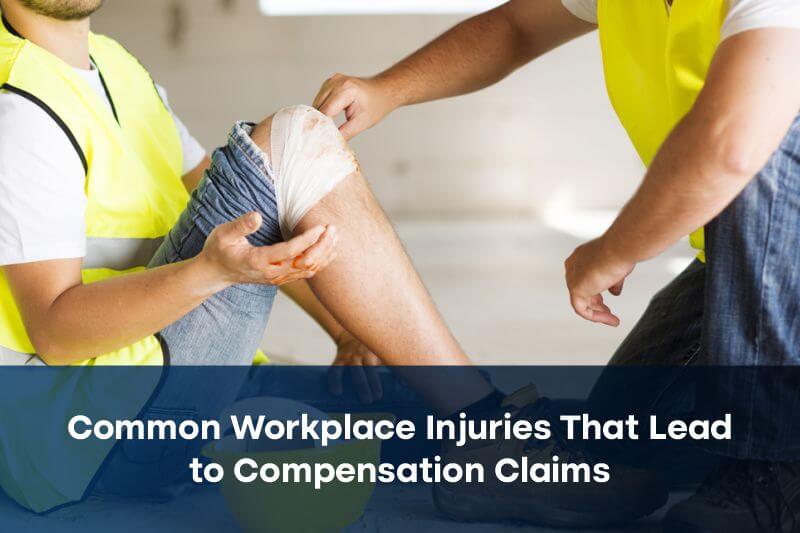
Whether you work in a busy Manchester warehouse, a high-rise construction site in London, or a quiet office in Bolton, you have the right to feel safe at your desk or on the shop floor. Unfortunately, workplace accidents remain a frequent reality across the UK. According to recent Health and Safety Executive (HSE) statistics for 2024/25, an estimated 680,000 workers sustained a non-fatal injury at work, marking a six-year high in injury rates (Safesmart, 2026).
When an injury occurs because an employer failed to maintain safety standards, the impact goes beyond physical pain. It often leads to lost wages, mounting medical bills, and emotional stress for the entire family. At Jiva Solicitors, we believe you shouldn’t have to carry that burden alone. This article explains the most frequent injuries that lead to successful claims and how our expert personal injury solicitors help you secure the compensation you deserve.
1. Slips, Trips, and Falls on the Same Level
Year after year, slips, trips, and falls remain the single most common cause of non-fatal workplace injuries in the UK, accounting for approximately 30% of all reported incidents (Safesmart, 2026). These accidents happen in almost every sector, from retail and hospitality to heavy manufacturing.
Common causes include:
- Leaking pipes or spills that haven’t been cordoned off with warning signs.
- Trailing cables or poorly placed floor sockets in office environments.
- Uneven flooring, loose carpets, or poorly maintained warehouse aisles.
While a “slip” might sound minor, the resulting injuries often involve fractured wrists, twisted ankles, or serious hip damage. If your employer knew about a hazard but failed to act, they have breached their duty of care. Our team at Jiva Solicitors regularly handles these cases, ensuring that “simple” slips are treated with the legal seriousness they require.
2. Manual Handling and Musculoskeletal Disorders
Handling, lifting, and carrying tasks are responsible for roughly 17% of workplace injuries (Safesmart, 2026). These often result in Musculoskeletal Disorders (MSDs), which affected over 511,000 workers in the most recent reporting year (DAC Beachcroft, 2025).
The back is the most commonly injured area, accounting for 43% of these cases, followed closely by the neck and upper limbs (Safesmart, 2026). Employers are legally required to provide manual handling training and, where possible, mechanical aids like trolleys or forklifts to minimise the risk of strain. If you were forced to lift a heavy load without proper training or equipment and suffered a slipped disc or chronic strain, you likely have grounds for a claim.
3. Falls from Height: Scaffolding and Ladders
Falls from height are significantly more dangerous than falls on a level surface. While they account for 8% of non-fatal injuries, they remain one of the leading causes of workplace fatalities and life-changing trauma (Safesmart, 2026).
These accidents frequently occur in the construction industry, but also affect maintenance workers and retail staff using ladders. Common injuries include:
- Traumatic brain injuries from hitting the ground or structures during the fall.
- Spinal cord damage leading to partial or total paralysis.
- Complex fractures require multiple surgeries and long-term rehabilitation.
The Work at Height Regulations 2005 mandate that employers must properly plan all work at height and ensure that equipment like scaffolding and ladders is regularly inspected. When these rules are ignored, personal injury solicitors at Jiva Solicitors step in to hold the responsible parties accountable.
4. Being Struck by Moving Objects or Machinery
In fast-paced environments like factories, warehouses, and construction sites, the risk of being hit by a moving object is high. This accounts for about 10% of reported workplace injuries (Safesmart, 2026).
This category includes everything from falling tools on a building site to being struck by a moving forklift truck in a distribution centre. Injuries can range from severe bruising and lacerations to devastating crush injuries and amputations. Employers must implement clear traffic management plans and provide Personal Protective Equipment (PPE) like hard hats. If a lack of site organisation or faulty safety guards on machinery led to your accident, the law is on your side.
5. Industrial Diseases and Repetitive Strain
Not all workplace injuries happen in a single, dramatic moment. Many of the most successful compensation claims involve “slow-onset” injuries or industrial diseases caused by long-term exposure to hazardous conditions.
Key examples include:
- Noise-Induced Hearing Loss (NIHL): Caused by prolonged exposure to loud machinery without adequate ear protection.
- Vibration White Finger (VWF): Resulting from the frequent use of vibrating power tools like pneumatic drills.
- Occupational Asthma or Dermatitis: Triggered by breathing in toxic fumes or handling chemicals without proper gloves or ventilation.
The HSE estimates that 1.9 million workers are currently suffering from work-related ill health, the highest number on record (Safesmart, 2026). At Jiva Solicitors, we specialise in these complex “industrial disease” claims, helping workers who have developed chronic conditions due to years of employer negligence.
6. Proving Employer Negligence for a Successful Claim
To win a compensation claim, you must demonstrate that your employer breached their legal duty of care. Under the Management of Health and Safety at Work Regulations 1999, every employer must conduct regular risk assessments and take “reasonably practicable” steps to ensure safety (Lanyon Bowdler, 2024).
When you work with Jiva Solicitors, we look for specific evidence of negligence, such as:
- Lack of Training: You were asked to perform a task you weren’t trained for.
- Faulty Equipment: A ladder broke, or a machine guard was missing.
- Poor PPE: You weren’t provided with goggles, gloves, or safety boots.
- Ignoring Reports: You reported a hazard previously, but nothing was fixed.
Remember, it is illegal for an employer to fire you or treat you unfairly for making a claim. Every UK employer is required by law to carry Employers’ Liability Insurance specifically to cover the costs of these claims (GOV.UK, n.d.). Your compensation comes from the insurance company, not your employer’s personal pocket.
Your Path to Recovery with Jiva Solicitors
A workplace injury affects your health, your bank balance, and your future. At Jiva Solicitors, we don’t just see a case number; we see a person whose life has been disrupted by someone else’s mistake. Our expert personal injury solicitors handle every detail—from gathering medical evidence to negotiating with insurers—so you can focus entirely on your physical recovery.
We work on a No Win, No Fee basis, meaning there is no financial risk to you in starting your claim. If you have been injured at work within the last three years, you deserve to know where you stand.
Contact Jiva Solicitors today for a free, confidential consultation. Let us help you secure the justice and financial support you need to move forward.