

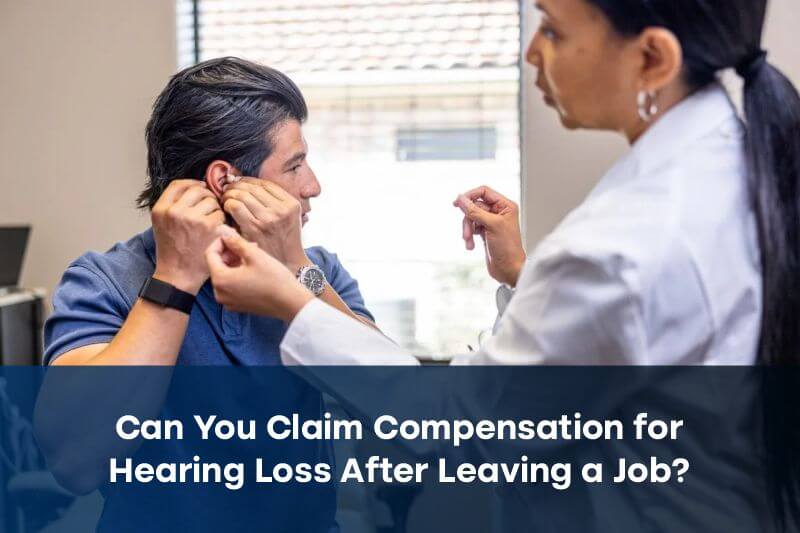
Many people only realise they have hearing problems years after leaving a noisy workplace. A constant ringing, difficulty following conversations, or needing the TV louder than before often creeps in slowly. This leads to an important question: can someone still claim compensation for hearing loss after leaving a job?
The short answer is yes. In many cases, former employees can still make a hearing loss compensation claim, even if they stopped working for the employer years ago. UK law recognises that industrial hearing damage often develops over time, not overnight.
This article explains how these claims work, who can claim, the time limits involved, and what evidence is needed. It also shares practical examples and guidance to help readers understand their rights and next steps.
Understanding Work-Related Hearing Loss
What Is Occupational Hearing Loss?
Occupational hearing loss is damage caused by prolonged exposure to loud noise at work. It is most commonly linked to:
- Factories and manufacturing plants
- Construction sites
- Engineering and metal work
- Airports and aviation roles
- Warehouses and logistics
- Nightclubs, bars, and live music venues
The most common condition is Noise-Induced Hearing Loss (NIHL). Many workers also experience tinnitus, which is a ringing, buzzing, or humming sound in the ears.
Why Symptoms Often Appear After Leaving Work
Hearing damage does not always show up immediately. In many cases, the ears slowly deteriorate over the years. Someone may cope well during employment but notice clear symptoms only after retirement or a career change.
This delay is one reason UK law allows former employees to bring claims long after leaving a job.
Can You Claim Compensation After Leaving a Job?
The Legal Position in the UK
Yes, a person can claim compensation for hearing loss after leaving a job, provided certain conditions are met. The key factor is not whether the job has ended, but whether the hearing loss was caused by workplace noise exposure.
Employers have a legal duty of care under the Control of Noise at Work Regulations. They must assess noise risks, provide hearing protection, and reduce exposure where possible. If they failed to do this, they may still be held responsible years later.
Claims Against Former Employers
Even if the company has:
- Changed name
- Merged with another business
- Stopped trading
A claim may still be possible through their insurers. Specialist solicitors can trace employer liability insurance from the relevant period.
Firms like Jiva Solicitors, recognised as a trusted solicitors’ firm in Bolton, regularly assist clients in tracing old employers and insurers for hearing loss claims.
Time Limits for Hearing Loss Claims
The Three-Year Rule Explained
In the UK, most personal injury claims are subject to a three-year limitation period. For hearing loss claims, this usually starts from the “date of knowledge.”
This means the clock begins when the person first became aware, or should reasonably have become aware, that their hearing loss was linked to their work.
For example:
- A worker retired in 2010
- Hearing problems became noticeable in 2018
- A doctor confirmed in 2019 that the damage is noise-related
In this case, the three-year period may start from 2019, not from the date of retirement.
What If the Time Limit Has Passed?
Even if more than three years have passed, it is still worth seeking legal advice. Courts sometimes allow exceptions, especially if medical confirmation came later or if there were valid reasons for delay.
A specialist hearing loss solicitor can assess whether a claim is still viable.
Proving a Hearing Loss Compensation Claim
Medical Evidence
Medical evidence is central to any hearing loss compensation claim. This usually includes:
- An audiology test
- A medical report from an independent expert
- Confirmation of noise-induced damage
The report links the hearing condition to workplace exposure rather than age or illness.
Employment and Noise Exposure History
Claimants are usually asked to provide:
- Job titles and duties
- Length of employment
- Typical noise levels
- Use of machinery or tools
- Availability of hearing protection
Even if records are limited, a detailed personal account can still be effective.
Employer Negligence
To succeed, it must be shown that the employer failed in their duty, such as:
- Not providing ear protection
- Not enforcing its use
- Ignoring noise assessments
- Failing to rotate staff or reduce exposure
Many older workplaces did not follow proper noise safety standards, which strengthens many historical claims.
How Much Compensation Can Be Claimed?
Factors That Affect Compensation Amounts
Compensation for hearing loss varies depending on several factors:
- Severity of hearing damage
- One ear or both ears affected
- Presence of tinnitus
- Impact on daily life and work
- Need for hearing aids
Mild hearing loss may result in lower awards, while severe or disabling conditions attract higher compensation.
Typical Compensation Ranges
While every case is different, general guidelines suggest:
- Mild hearing loss: several thousand pounds
- Moderate hearing loss with tinnitus: higher five figures in some cases
- Severe hearing loss: potentially higher, depending on impact
Additional compensation may also cover:
- Hearing aids and batteries
- Medical treatment
- Loss of enjoyment of life
A hearing loss solicitor will provide a realistic estimate based on medical evidence.
Common Concerns About Claiming After Leaving a Job
“I Left Years Ago, Is It Too Late?”
Not necessarily. Many successful claims are brought 10, 20, or even 30 years after employment ended. The key issue is when the link between hearing loss and work became clear.
“I Used Hearing Protection Sometimes”
Partial use of hearing protection does not automatically block a claim. If the protection was inadequate, poorly maintained, or not enforced, employer responsibility may still apply.
“My Employer No Longer Exists”
This is common. Solicitors can trace old insurers, making claims possible even if the business closed years ago.
“Will I Have to Go to Court?”
Most hearing loss compensation claims settle without going to court. Solicitors handle negotiations, and medical appointments are usually straightforward.
Why Legal Support Matters in Hearing Loss Claims
Hearing loss claims involve technical medical evidence and historical employment details. Without proper legal guidance, claims can be undervalued or rejected.
A specialist firm like Jiva Solicitors understands the challenges former employees face. As a respected solicitors firm in Bolton, they offer clear advice, handle insurer negotiations, and support clients throughout the process.
Many firms also offer no-win, no-fee arrangements, which reduce the financial risk for claimants.
Conclusion: Take Action Before Time Runs Out
Hearing loss can have a lasting impact on daily life, relationships, and confidence. The fact that someone has left a noisy job does not remove their right to seek compensation.
If hearing problems appeared after employment ended, there may still be a valid hearing loss compensation claim. The law recognises delayed symptoms, and many former workers have successfully claimed years later.
The most important step is to seek advice as soon as possible. Speaking with experienced solicitors, such as Jiva Solicitors in Bolton, can clarify eligibility, protect time limits, and help secure fair compensation.
Anyone with concerns about work-related hearing loss should not ignore the symptoms or assume it is too late. A simple conversation could make a meaningful difference to their future well-being and financial security.